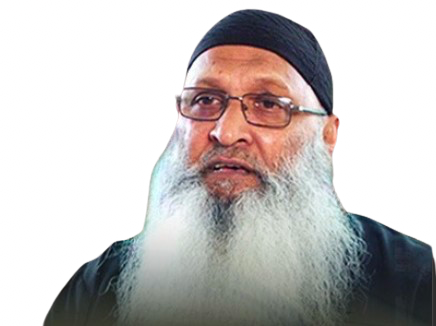
Prof. Dr. G. Hussein Rassool
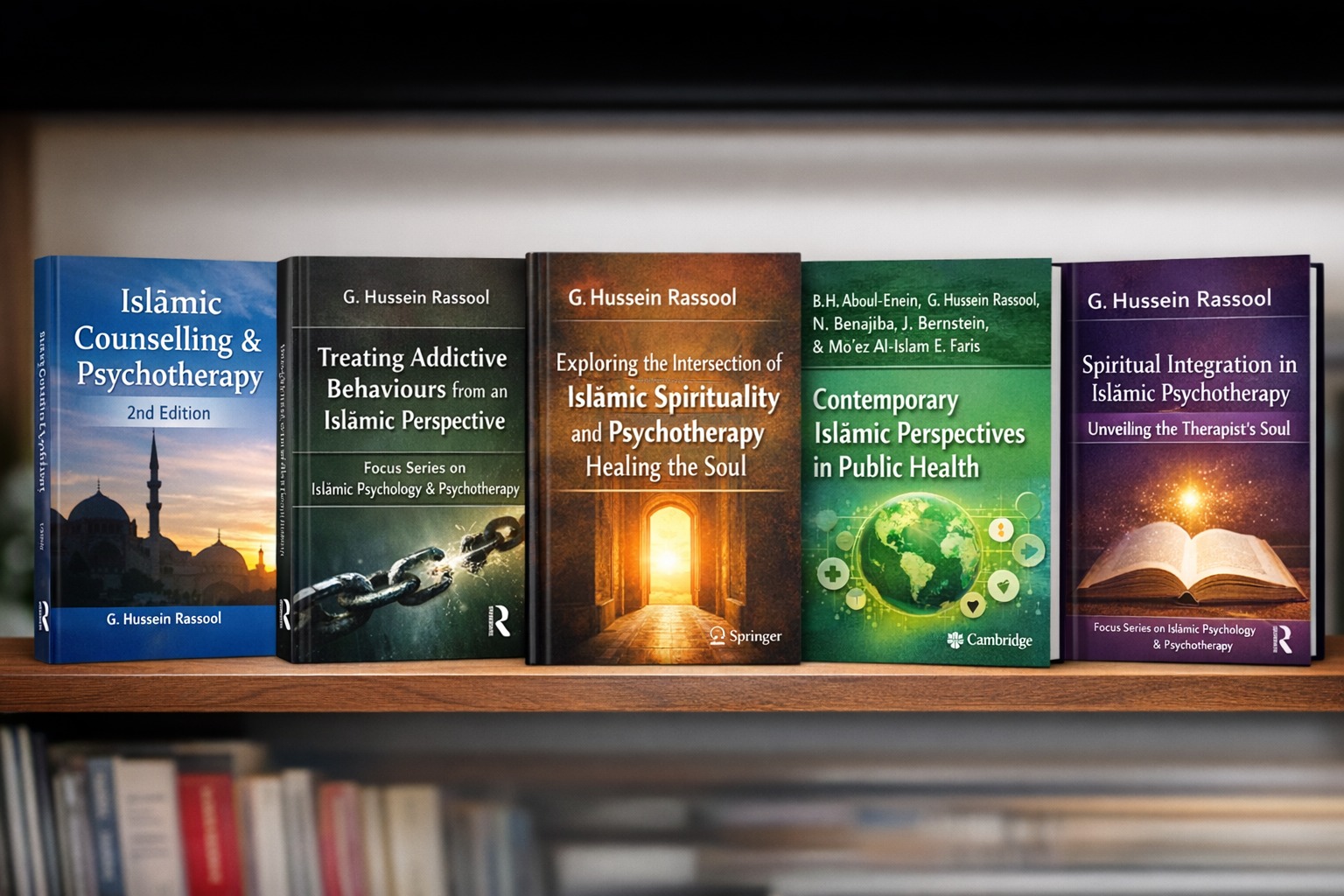
Professor Dr. G. Hussein Rassool is an internationally distinguished scholar, psychotherapist, and educator with more than 52 years of experience across psychology, counselling, education, and mental health services. His work is characterised by the integration of Islāmic psychology with contemporary psychotherapeutic approaches, research, and professional training. He has authored over 34 books and numerous peer-reviewed journal articles covering Islāmic psychology, mental health, counselling, addiction, and psychotherapy. His career demonstrates a sustained commitment to ethical practice, cultural competence, and spiritually informed approaches to mental health and wellbeing.
- Islamic Psychology
- Islamic psychotherapy and counselling
- Mental health and addiction
- Clinical supervision and professional mentoring
- Academic teaching, training, and curriculum development
- Research, consultancy, and professional development
Overview
Services
Faith-integrated Islamic psychotherapy, counselling, supervision, education programs, and community consultancy. (Full service list on Services page.)
View ServicesAcademic Profile
Qualifications, fellowship titles, and selected positions are grouped on the Qualifications and Positions pages.
View QualificationsPrevious / Current Positions
Prof. Dr. G. Hussein Rassool has held prominent academic and professional roles, including professorships, visiting lectureships, and leadership positions in institutions like Al Balagh Academy.
View PositionsPublications
Complete list of book/journal publications and blogs is available on the Publications section.
Browse PublicationsLoading recommendation…
Read Random blog now!Islamic Psychology from the perspective of the Maqasid Methodology
This course introduces the Maqasid Methodology, an Islamic framework for addressing questions in Islamic psychology. Drawing on Qur’anic and Prophetic teachings, it equips practitioners and researchers to integrate Islamic principles into mental health, human behavior, and well-being.
View Course